 Haplo
Haplo
Hybrid Training Plan: How to Lift and Run in the Same Week
Two barbell sessions and two or three runs a week for eight weeks, arranged so the leg day and the hard runs stay apart, and what the research actually says about running and muscle.
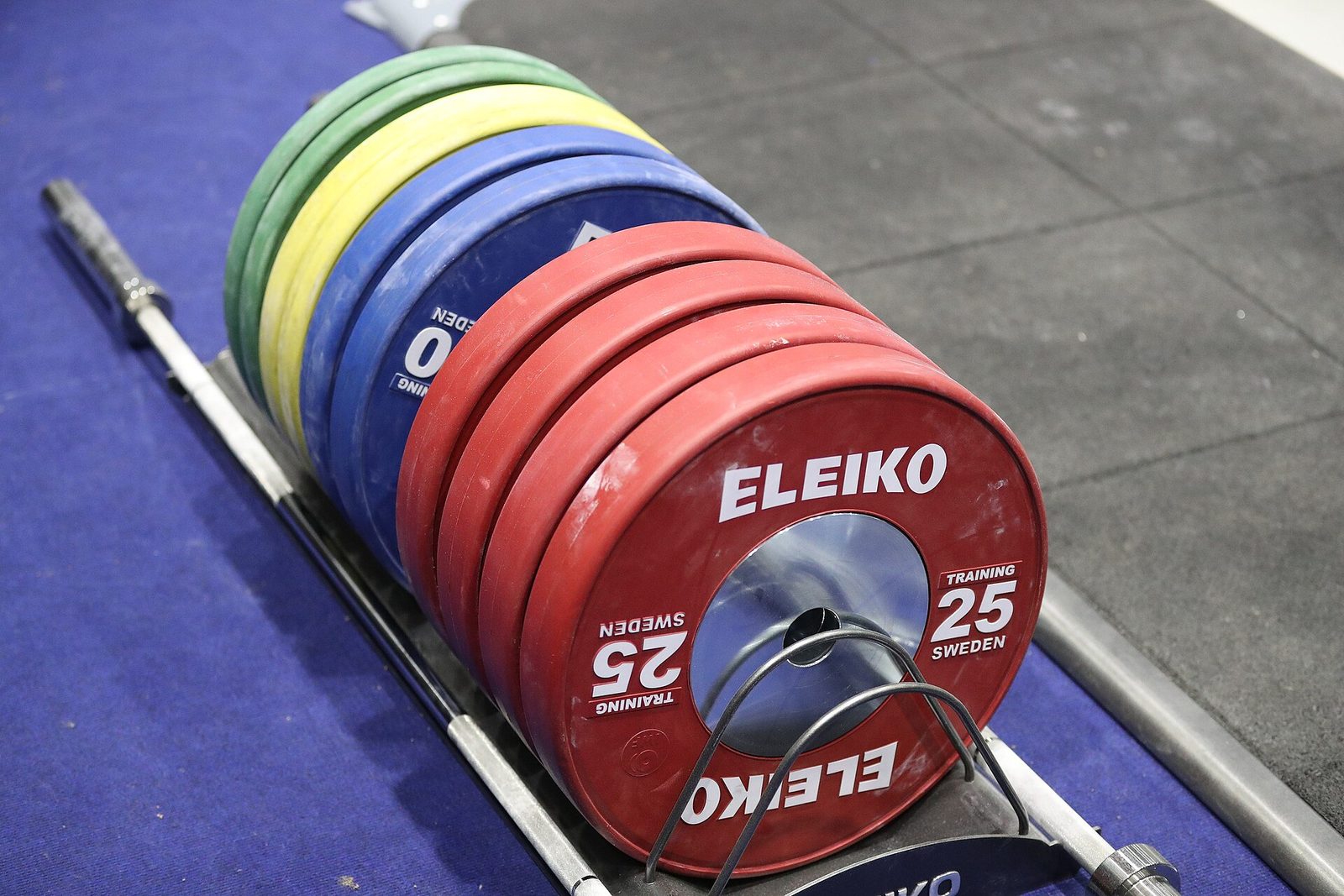
Most people who lift have been told that running will eat their gains, and most runners have been told that lifting will make them slow. So they pick one. This hybrid training plan is for people who would rather not: eight weeks of two barbell sessions and two or three runs a week, laid out so the hard days don’t land on top of each other.
It’s the Hybrid Run and Lift plan from Cinder, the workout tracker we make, and every session, set, rep, rest time and note below is the app’s own. Around it we’ve added what a plan card can’t hold: how to do each lift, how hard each run should feel, how to lay out your week, and what the research says about doing both.
Who this hybrid athlete program is for
It’s written for intermediates, and it assumes both halves already work. On the lifting side, you should be comfortable squatting, bench pressing, overhead pressing and rowing a barbell for sets of five to eight. On the running side, the first long run is 10 km, so you should be able to cover that at an easy, conversational pace. If the gym is the new part, start with our beginner gym workout plan. If the running is, build that first.
You’ll need a barbell with a rack and a bench, a pull-up bar, a cable station for face pulls, and somewhere to run. If you have a heart condition, take medication that changes your heart rate (beta blockers, for example), are pregnant, or are coming back from an injury, check with your doctor or physio before you start.
Does running hurt strength and muscle gains?
The worry has a name, the interference effect, and it goes back to a 1980 study by Hickson. The combined group lifted five days a week and did 40 minutes of endurance training six days a week: eleven sessions. Their leg strength kept pace with a lifting-only group for seven weeks, then levelled off and fell back in weeks 9 and 10, while their aerobic fitness rose as much as the endurance-only group’s.
The research since then is kinder to an ordinary week:
- Muscle size and maximal strength. A 2022 meta-analysis of 43 studies found no detectable cost to either when aerobic training was added to strength training (Schumann et al., 2022).
- Explosive strength. This is where the evidence does show a cost. The same analysis found smaller gains in explosive strength (jump height and other measures of fast force), clearest when both were done in the same session rather than at least 3 hours apart. In an earlier meta-analysis, power was the one outcome where lifting plus endurance training fell significantly short of lifting alone (Wilson et al., 2012).
- Running in particular. The 2012 analysis found that running, but not cycling, cut into strength and muscle gains, and that the cost grew the more often and the longer people did endurance work. The 2022 update found no difference between running and cycling. At the level of single muscle fibres, a 2022 analysis found a small negative effect of concurrent training on fibre growth, which in type I fibres showed up with running but not cycling; the authors call that preliminary (Lundberg et al., 2022).
- Experienced lifters. In trained people, adding endurance work reduced gains in squat and leg press one-rep max, but only when both were done in the same session (Petré et al., 2021).
So the cost is real but narrow, and most of it comes from a lot of endurance volume or from stacking both into one session. This plan keeps the running to two or three sessions, puts one session on each training day, and keeps the long run away from the leg day. If explosive power is your priority, because you play a jumping or sprinting sport, know that it’s the quality a hybrid week is most likely to cost you.
How to use this running and lifting schedule
Pick four or five training days. Five gets you all five sessions. Four drops the Easy Run, the plan’s only supporting session. The sessions run through your week in the plan’s order (Easy Run, Lower Lift, Interval Run, Upper Lift) and the Long Run always takes your last training day.
The plan has two spacing rules, and both protect the Long Run: it shouldn’t sit next to the Interval Run, and it shouldn’t sit next to the Lower Lift. The reasoning is simple. Heavy leg work leaves fatigue that can take the quality out of a run for hours to days afterwards (Doma et al., 2017), and two hard runs on consecutive days means the second one is run on legs still carrying the first. We’d add one rule of our own: leave a day between the Lower Lift and the Interval Run where you can, which the sample weeks below do. Both leave Sunday free, so they come out the same whether your phone’s calendar starts the week on Sunday or Monday.
Two lifts and two or three runs a week
Eight weeks built around one key session, the Long Run, which grows from 10 km to 15 km. A heavy leg day, an upper-body day and one interval run do the main work, and an easy run fills a fifth day when you have one.
- Length
- 8 weeks
- Days a week
- 4 to 5
- Level
- Intermediate
- Kit
- Somewhere to run, Barbell, Pull-up bar, Cables
- Easy Run The fifth day, if you have one. Entirely easy. 30 min
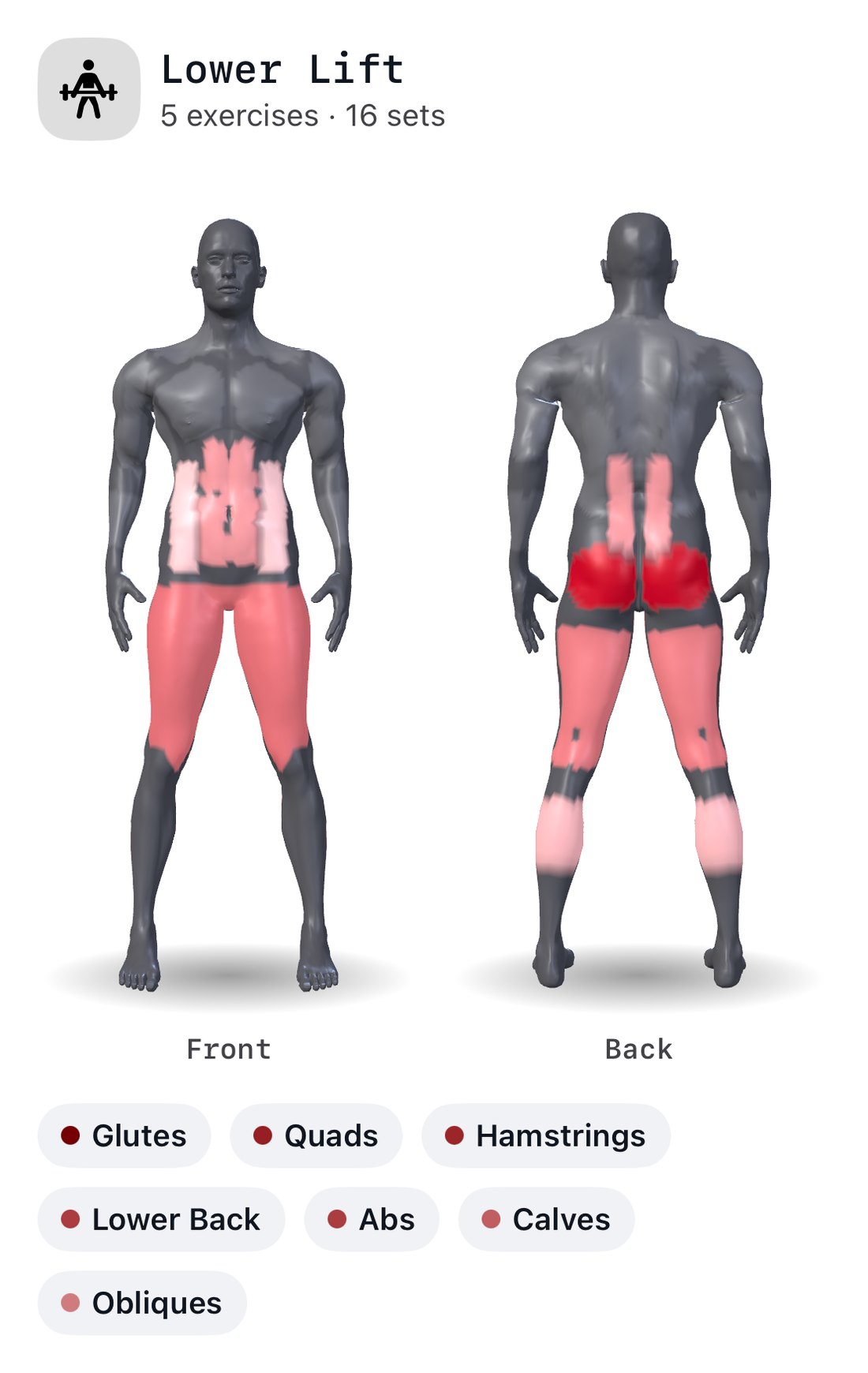
- Lower Lift Squat, hinge, one single-leg movement, calves and trunk. 5 exercises · 16 sets · about 38 min
- Interval Run Warm-up, a block of hard repeats, cool-down. 10 min + 18 min + 10 min · about 38 min
- Upper Lift Press, row, overhead, pull. Five movements, no more. 5 exercises · 17 sets · about 44 min
- Long Run The week's longest run. Legs will be tired, so start slow. 10 km · about 65 min
Sample running and lifting schedules
4 days a week
- Mon · Lower Lift
- Wed · Interval Run
- Thu · Upper Lift
- Sat · Long Run
48 hours between the squats and the intervals, a rest day before the Long Run, and two days from the Long Run to the next leg day. Four days leaves out the Easy Run. Avoid training on both the last and the first day of your calendar week (Sunday and Monday, if it starts on Monday): the Long Run and the Lower Lift would land back to back, and the plan flags it.
5 days a week
- Mon · Easy Run
- Tue · Lower Lift
- Thu · Interval Run
- Fri · Upper Lift
- Sat · Long Run
Two days from the squats to the intervals, and two from the intervals to the Long Run. Any five days keep the plan’s rules. Cinder’s opening pick does too, but it puts the intervals the day after the leg day (Tuesday and Wednesday, on a week that starts on Monday), so we’d add the gap you see here.
Easy Run
The fifth day, if you have one. Entirely easy.
The supporting session: it’s the one the plan leaves out when you train four days, so treat it as a bonus rather than a test. Entirely easy means you could hold a conversation the whole way. On Cinder’s heart-rate zones that’s roughly zone 2 (60 to 70% of your heart-rate reserve), and our zone 2 guide covers how to find it.
On the five-day week it sits between the Long Run and the Lower Lift, so its job is 30 minutes of aerobic time that leaves your legs fresh for the squats.

-
30 min · Zone 2
Running
Conversational
Slower than you think. You should be able to talk in full sentences from the first minute to the last; if you can’t, walk for a moment and restart slower. If you take a medication that changes your heart rate, such as a beta blocker, heart-rate zones may not fit you: go by the talk test and ask your doctor how hard to train.
Swap An easy 30-minute bike ride, on weeks when your legs need a break from the impact.
Lower Lift
Squat, hinge, one single-leg movement, calves and trunk.
The heavy leg day. The squat is the strength work, four sets of five with 3 minutes between sets, and everything after it is lighter: a hinge, a single-leg movement, calves and a plank. It’s also the session the plan keeps off the days next to the Long Run, because a hard leg session leaves fatigue that can take the quality out of a run for hours to days (Doma et al., 2017). For the same reason, we’d leave a day between it and the Interval Run where your week allows.
Our suggestion for every set here: stop with one or two good reps still in you. There’s running to do this week, and we’d rather you spend that effort on the road than on a grinding last rep.
-
4 × 5 · Rest 3 min
Squat
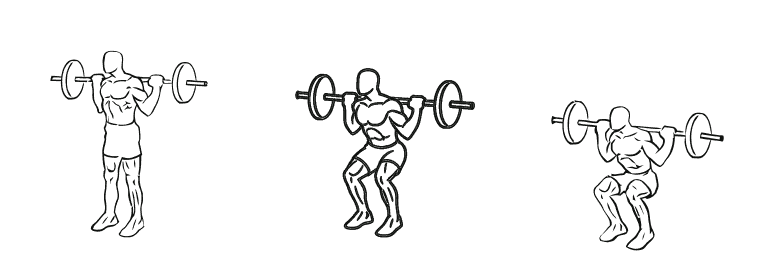
Brace before you unrack, sit down between your hips with your knees tracking over your toes, and stand up at the same speed on every rep. The last rep of each set should be slow but clean. The long rests are there so that all four sets can be heavy.
Swap A front squat or safety-bar squat at the same 4 × 5, or the leg press if the rack is taken.
-
3 × 8 · Rest 2 min
Romanian Deadlift
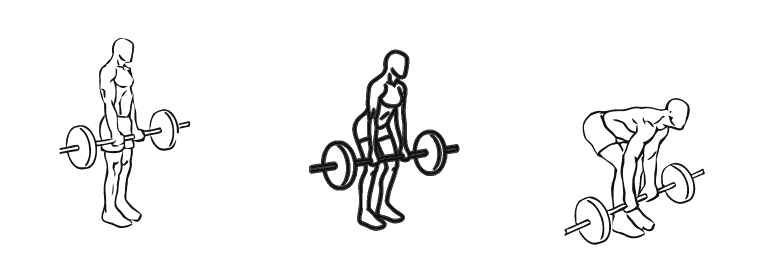
Soft knees, then push your hips back and let the bar slide down your thighs until your hamstrings stop you, for most people somewhere around the knee or a little below. Drive your hips forward to stand. Your back keeps the same shape the whole way down and up.
Swap Dumbbell Romanian deadlifts, or back extensions on a 45-degree bench.
-
3 × 12 · Rest 90 s
Walking Lunge
Each side

Step long enough that your front shin stays close to vertical, lower your back knee to just above the floor and keep your chest up. Running happens one leg at a time, and this is the plan’s only single-leg strength work, so hold dumbbells once bodyweight gets easy.
Swap Reverse lunges or split squats in place if there’s no room to walk.
-
3 × 15 · Rest 1 min
Standing Calf Raise
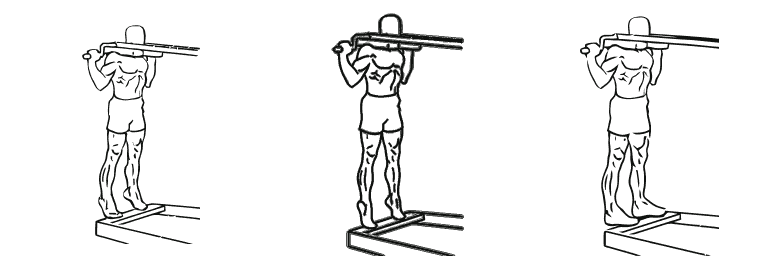
Stand on the edge of a step, let your heels sink below it, pause, then rise as high as you can. In a modelling study of running from a jog to a flat-out sprint, the calf muscles (soleus and gastrocnemius) did more than any others to hold the body up at every speed up to 7 metres a second, about 25 km/h (Dorn et al., 2012). This is the one place in the week they’re trained directly.
Swap Single-leg calf raises on a step holding a dumbbell, or calf presses on the leg press.
Research: Dorn et al., 2012
-
3 × 45 s · Rest 45 s
Plank
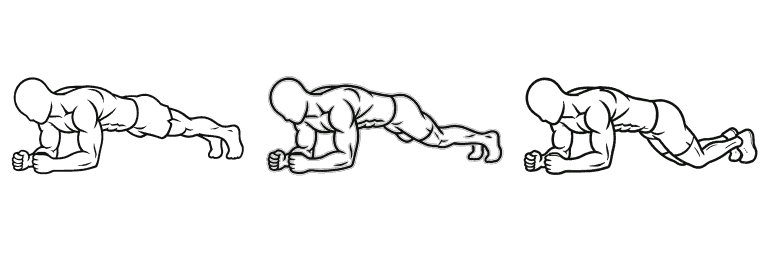
Forearms under your shoulders, glutes squeezed, ribs pulled down, and a straight line from head to heels. The hold grows with the plan’s weekly volume (45 seconds in week 1, 68 in week 7), so when your hips start to sag, that’s the end of the set.
Swap Side planks, splitting the time between sides, or dead bugs for the same time.
Interval Run
Warm-up, a block of hard repeats, cool-down.
The hard run of the week. After a 10-minute warm-up come six 3-minute repeats at a hard effort with 90 seconds of easy running between them, then a 10-minute cool-down. The 18 minutes listed for the middle block is the hard running only. With five 90-second recoveries between six repeats, the block takes about 25 and a half minutes on the clock, so budget about 45 minutes for the session rather than the 38 the plan estimates.
Hard intervals are the running lifters worry about most. A 2018 meta-analysis of interval training combined with lifting found that muscle growth and upper-body strength kept pace with lifting alone. Lower-body strength gains were slightly smaller, and the trend pointed at cycling intervals rather than running ones (Sabag et al., 2018).

-
10 min · Easy
Running
Warm-up
Start at easy-run pace and let it rise over the last few minutes, so the first repeat isn’t a shock.
-
18 min · Hard
Running
6 × 3 minutes hard, 90 seconds easy between
Hard but even: pick a pace you can hold for all six, so the last repeat matches the first. Run them by feel or pace rather than by heart-rate zone, and jog the 90 seconds between rather than stopping. If the last two fall apart, start slower next week.
Swap On a treadmill, set the speed for each repeat and drop to a jog for the recoveries.
Research: Sabag et al., 2018
-
10 min · Easy
Running
Cool-down
Very easy running, slowing down as you go. The hard part is done.
Upper Lift
Press, row, overhead, pull. Five movements, no more.
The session running gets in the way of least, since nothing here loads your legs much. In the same 2018 meta-analysis, upper-body strength gains with intervals added matched lifting alone (Sabag et al., 2018).
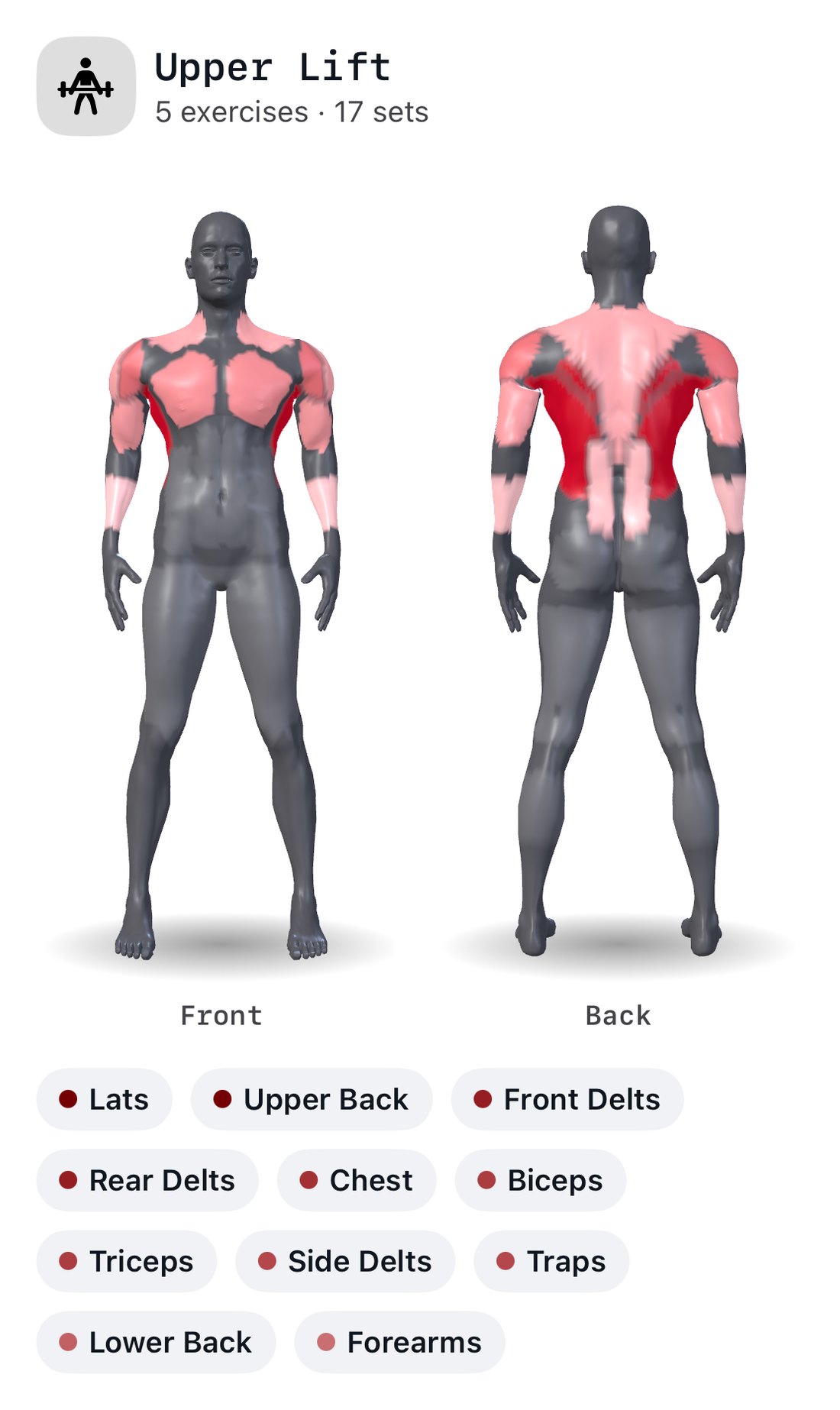
The two heavy barbell lifts come first (bench at 4 × 5, row at 4 × 6), then an overhead press, pull-ups and face pulls. Five movements is deliberate: pushing and pulling, both straight ahead and overhead, in about 45 minutes.
-
4 × 5 · Rest 3 min
Bench Press
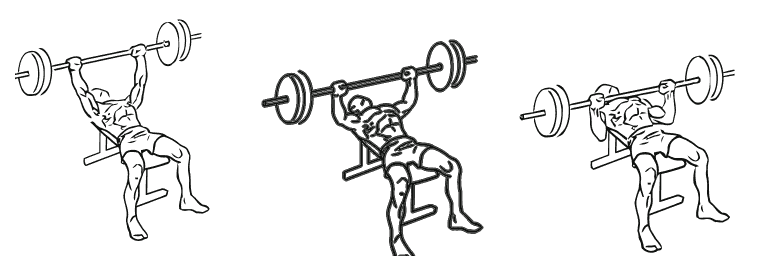
Feet planted, shoulder blades pinned back and down. Lower the bar to your lower chest and press it back up over your shoulders. Heavy fives deserve a spotter, or safety arms set just below chest height.
Swap Dumbbell bench press at the same sets and reps.
-
4 × 6 · Rest 2 min
Barbell Row
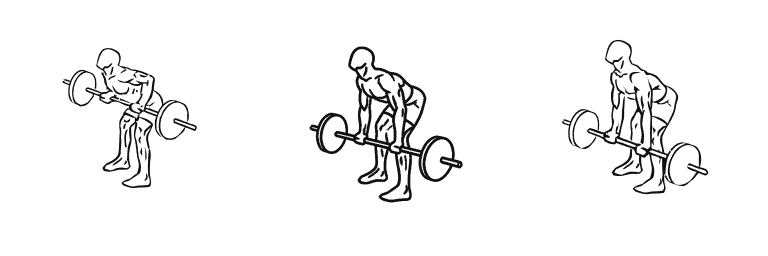
Hinge until your torso is at 45 degrees or lower, brace, and pull the bar to your lower ribs. If you have to stand up to finish a rep, the weight is too heavy.
Swap A chest-supported row or seated cable row, which also spares a lower back that’s tired from the week.
-
3 × 8 · Rest 2 min
Overhead Press
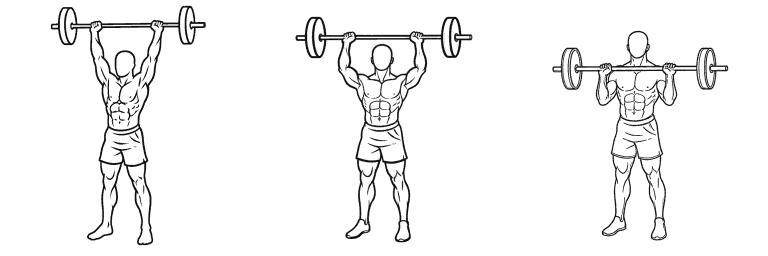
Standing, with your glutes and abs tight and ribs down. Press in a straight line and bring your head forward under the bar once it passes your forehead. Eight reps means a lighter bar than your five-rep bench.
Swap Seated dumbbell shoulder press.
-
3 × 8 · Rest 2 min
Pull-up

From a full hang, pull until your chin clears the bar and lower all the way down every rep. If eight is out of reach, do the good reps you have and finish each set with slow three- to five-second lowers, or use a band.
Swap Lat pulldown at a weight you can do eight clean reps with.
-
3 × 15 · Rest 1 min
Face Pull
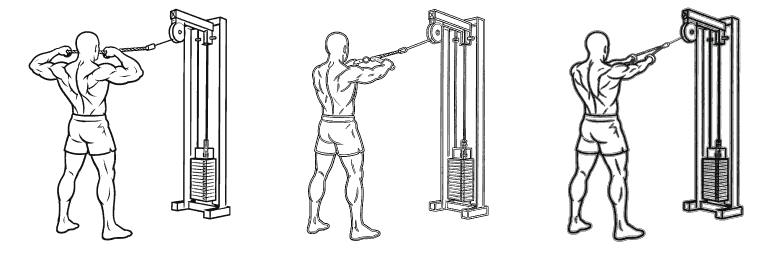
Rope at about face height. Pull towards your eyes with your elbows high and finish with your hands beside your ears. Light and strict: these are here for the backs of your shoulders and your upper back.
Swap Band pull-aparts for the same reps.
Long Run
The week's longest run. Legs will be tired, so start slow.
The key session, and the one the plan keeps if everything else goes. It’s measured in distance: 10 km in week 1, rising to 15 km in week 7, with cutback weeks at 8.5 and 9 km. At the pace Cinder uses to estimate sessions (6:30 per km), that’s 65 minutes in week 1 and about 98 in week 7.
It comes last in your week, after both lifts and the intervals, which is why the plan warns that your legs will be tired. Like the Easy Run, it’s conversational: roughly zone 2 on Cinder’s zones.

-
10 km · Zone 2
Running
Even effort
Start slower than feels necessary and keep the second half at the same effort as the first, easy enough to talk throughout. Heart rate tends to creep up over a long run, and heat and dehydration can shift it a lot (Achten and Jeukendrup, 2003), so hold the effort rather than chasing a number. Once the run passes an hour, practise taking some carbohydrate on the way (see the fuelling notes below).
Swap A trail instead of the road is fine. Hills and rough ground slow you down, so judge it by effort and let the distance take longer.
Research: Achten and Jeukendrup, 2003, Thomas et al., 2016
Week by week
-
Week 1
Learn the week. Long run about 10 km.
Long Run: 10 km. Planks 3 × 45 s. The Easy Run, the intervals and every set and rep are as written, and they stay that way for all eight weeks.
-
Week 2
Same shape, slightly longer.
Long Run: 11 km. Planks 3 × 50 s.
-
Week 3
Long run about 12 km.
Long Run: 12 km. Planks 3 × 54 s.
-
Week 4 · lighter
Cutback week. Keep the lifts, shorten the run.
Long Run: 8.5 km. Planks 3 × 38 s. The lifts don’t change; we’d keep your working weights where they were rather than adding any.
-
Week 5
Long run about 13 km.
Long Run: 13 km. Planks 3 × 59 s.
-
Week 6
Long run about 14 km.
Long Run: 14 km. Planks 3 × 63 s.
-
Week 7
Longest run of the block.
Long Run: 15 km, about 98 minutes at 6:30 per km. Planks 3 × 68 s. Not the week to chase a lifting best.
-
Week 8 · lighter
Cutback week to finish.
Long Run: 9 km. Planks 3 × 41 s.
How to run the plan
Picking your starting weights
Week 1’s focus is learning the week, so start lighter than your best. For every lift, pick a weight you could do two or three more reps with than the plan asks for, on every set. You’re finding out how the lifts feel after the runs, and the runs after the lifts, before you push either.
Adding weight to the bar
The plan grows the Long Run. The sets and reps on the lifts stay the same for all eight weeks, so progress on the bar is up to you.
Our suggestion: when you finish every set of a lift at the written reps with a rep or two to spare, add the smallest jump your gym allows next time (often 2.5 kg on squats and rows, less on the presses). Hold your weights steady in the cutback weeks, 4 and 8, and don’t force it in week 7, when the Long Run is at its longest. Holding your lifts while the running grows is a perfectly good block.
Recovery between sessions
Most of the recovery is built into the layout: one session a day, two or three rest days, and cutback weeks at 4 and 8. Don’t add extra sessions on the rest days, and keep the easy runs easy.
If your legs are still heavy on interval day, run the repeats at the effort you actually have, or cut them to four. If you wear an Apple Watch, Cinder’s recovery score compares your heart-rate variability, resting heart rate and sleep with your own baseline. Treat a run of low scores as a reason to take the easy option, not as a verdict.
When a week goes badly
Missed a session: let it go rather than doubling up the next day. If you have to choose, the plan’s own order of importance is the Long Run first, then the two lifts and the Interval Run, then the Easy Run.
Only three days free: keep the Lower Lift, the Interval Run and the Long Run. That’s also what Cinder keeps if you set three days, and it will tell you the plan is written for at least four.
Missed most of the week: repeat it rather than jumping straight to next week’s longer run.
Ill or hurt: if you’re unwell, or something hurts in a way that changes how you move, skip the session and check with a doctor or physio before you pick the plan back up.
Can you lift and run on the same day?
Yes, though this plan avoids it by design: one session per training day. If your week forces a double, three findings help.
Leave hours between them. In a 7-week study of amateur rugby players who always lifted before their aerobic work, doing both back to back gave smaller bench press and half-squat strength gains than doing them 6 or 24 hours apart, and the authors recommend at least 6 hours between the two (Robineau et al., 2016). In the 2022 meta-analysis, the cost to explosive strength showed up with same-session training but not when sessions were at least 3 hours apart (Schumann et al., 2022).
Lift first if strength is the priority. Two meta-analyses of same-session training found bigger gains in lower-body strength when the lifting came before the endurance work, and neither found that the order changed aerobic fitness (Eddens et al., 2018; Murlasits et al., 2018).
Pair the cheapest sessions. Our suggestion, if you have to double up on this plan: put the Upper Lift and the Easy Run on the same day. Never stack the Lower Lift and the Long Run; the plan tries to keep them off consecutive days altogether.
How to fuel a hybrid training week
Eat enough first. The joint sports nutrition position from the American College of Sports Medicine, the Academy of Nutrition and Dietetics and Dietitians of Canada lists what low energy availability can do to athletes: loss of muscle mass, more fatigue, injury and illness, and poorer adaptation to training (Thomas et al., 2016). Then:
- Protein. The same position puts athletes at 1.2 to 2.0 g per kg of body weight a day, spread across the day, with about 0.3 g/kg after key sessions and every 3 to 5 hours. For a 70 kg person that’s roughly 85 to 140 g a day and 20 g or so a meal. In a meta-analysis of 49 lifting trials, extra protein stopped adding lean mass once total intake passed about 1.6 g/kg a day (Morton et al., 2018). Ordinary food gets you there.
- Carbohydrate. It fuels the intervals and the Long Run. The position’s daily targets are 3 to 5 g/kg for light training and 5 to 7 g/kg for about an hour a day of moderate exercise. Before a key session of more than an hour, it suggests 1 to 4 g/kg eaten 1 to 4 hours beforehand.
- During the Long Run. Under 45 minutes you don’t need anything. For efforts of 1 to 2.5 hours the guideline is 30 to 60 g of carbohydrate an hour, and everyday food works as well as sports products. Practise on the long runs so you know what sits well.
For a plan built around you, the position recommends a registered dietitian.
Hybrid training plan FAQ
Is this plan good for beginners?
Not as a first plan. It assumes you can already handle heavy sets of five on the squat and bench and run 10 km at an easy pace. If the gym is new to you, our beginner gym workout plan is the better start.
Does the plan get harder every week?
Only in two places: the Long Run and the plank hold scale with each week’s volume. The Easy Run and the intervals are set times the scale doesn’t touch, and sets and reps never change. The lifts get harder only when you add weight.
How slow should the easy runs be?
Slow enough to talk in full sentences, which is roughly zone 2 on Cinder’s heart-rate zones. Our zone 2 training guide goes into how to find your own.
What if I want more lifting?
This plan’s lifting is deliberately lean: two sessions and ten exercises a week. If muscle is your main goal, a lifting-first split such as our push pull legs routine gives you more volume, and an easy run or two can sit alongside it.
How we made this
This is Cinder's Hybrid Run and Lift plan (hybrid-run-lift in the app's plan catalog), copied session by session: the names, summaries, sets, reps, rest times, notes and week focus lines are the app's own words. We didn't change the plan. Where we suggest something different, such as a day between the Lower Lift and the Interval Run, or how to add weight to the bar, we say it's our suggestion.
The week-by-week numbers come from running the app's own code. We compiled Cinder's plan models, catalog and scheduler, unchanged, in a small test harness and printed every week. The Long Run is 10 km times the week's volume scale, rounded to the nearest 50 m. The plank hold scales the same way (rounded to the second). The Easy Run and the three interval blocks are fixed times the scale doesn't touch, and sets and reps never scale.
Session times are Cinder's own estimate for week 1: four seconds a rep plus the written rest for each set of a lift, the hold or run time plus rest for timed work, and 6:30 per km for distance, summed and rounded to the minute. The Interval Run's 18-minute block counts only the repeats, so that session takes longer on the clock than its estimate, and we say so on the session.
The sample weeks are real output from Cinder's scheduler. We ran it on every possible 4- and 5-day pick, with the week starting on Sunday and on Monday. Every 5-day pick keeps the plan's spacing rules. On 4 days, the only picks that break one include both the last and the first day of the calendar week, which puts the Long Run and the next Lower Lift back to back where one week meets the next.
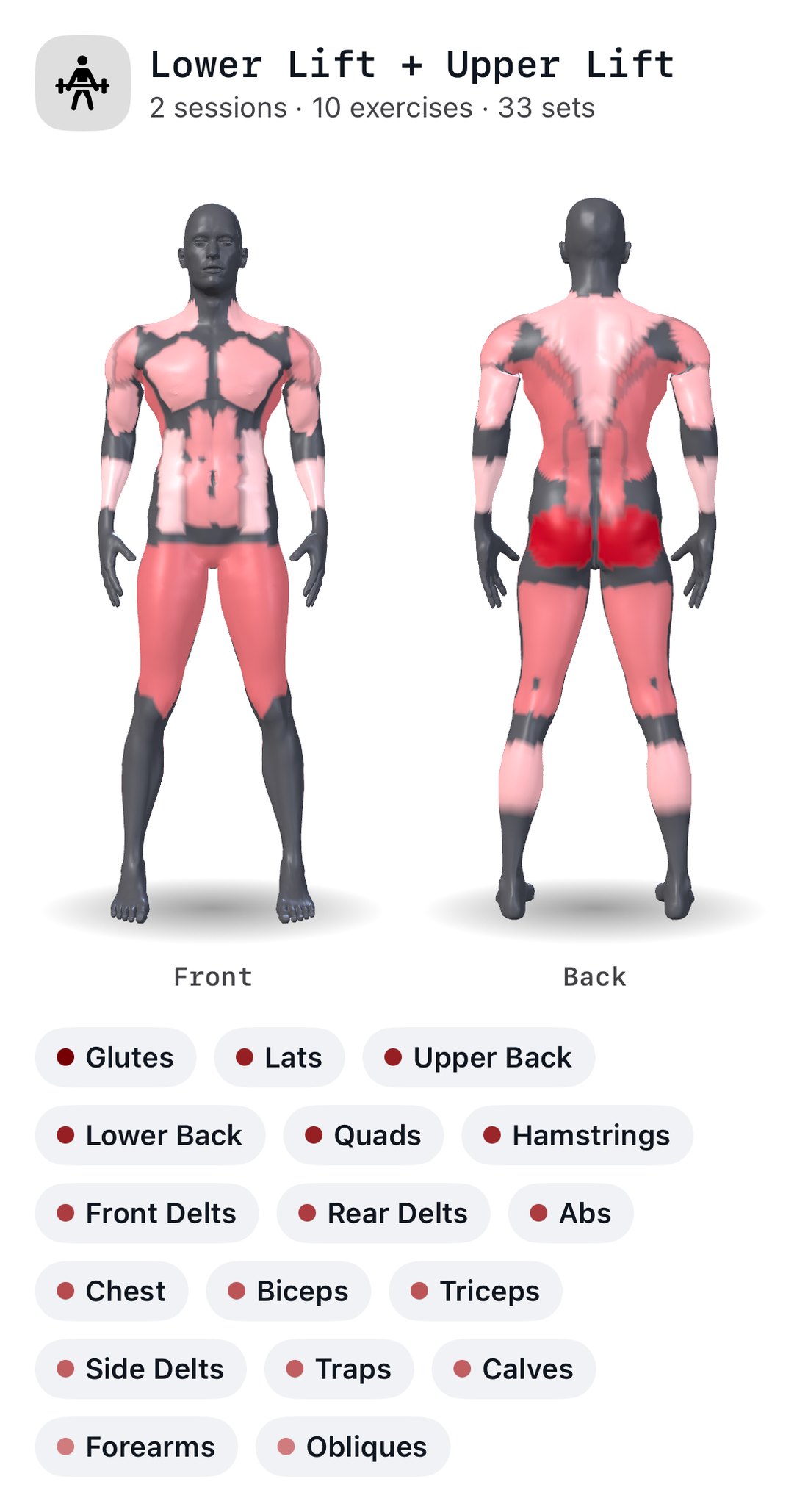
The muscle maps are Cinder's own. We rendered each session in a developer build of the app, with the same 3D muscle map and the same arithmetic it uses after you log a workout: every set counts in full for an exercise's main muscles and half for the muscles that assist, and the shading runs from grey (not worked) to deep red (the session's hardest-worked muscle). The whole-week maps add the sessions together the same way.
The exercise drawings are the ones Cinder shows next to each exercise, by Bryl Lim for Everkinetic (CC BY-SA 4.0), set side by side here in movement order.
For the research, we read each study on PubMed, and the full text of the 2022 compatibility meta-analysis and the 2016 nutrition position, and only used numbers stated there. The photos come from Wikimedia Commons and are credited under each one.
References
- Hickson RC (1980). Interference of strength development by simultaneously training for strength and endurance. European Journal of Applied Physiology and Occupational Physiology, 45(2-3), 255-263.
- Wilson JM, Marin PJ, Rhea MR, Wilson SM, Loenneke JP, Anderson JC (2012). Concurrent training: a meta-analysis examining interference of aerobic and resistance exercises. Journal of Strength and Conditioning Research, 26(8), 2293-2307.
- Schumann M, Feuerbacher JF, Sünkeler M, Freitag N, Rønnestad BR, Doma K, Lundberg TR (2022). Compatibility of concurrent aerobic and strength training for skeletal muscle size and function: an updated systematic review and meta-analysis. Sports Medicine, 52(3), 601-612.
- Lundberg TR, Feuerbacher JF, Sünkeler M, Schumann M (2022). The effects of concurrent aerobic and strength training on muscle fiber hypertrophy: a systematic review and meta-analysis. Sports Medicine, 52(10), 2391-2403.
- Petré H, Hemmingsson E, Rosdahl H, Psilander N (2021). Development of maximal dynamic strength during concurrent resistance and endurance training in untrained, moderately trained, and trained individuals: a systematic review and meta-analysis. Sports Medicine, 51(5), 991-1010.
- Sabag A, Najafi A, Michael S, Esgin T, Halaki M, Hackett D (2018). The compatibility of concurrent high intensity interval training and resistance training for muscular strength and hypertrophy: a systematic review and meta-analysis. Journal of Sports Sciences, 36(21), 2472-2483.
- Doma K, Deakin GB, Bentley DJ (2017). Implications of impaired endurance performance following single bouts of resistance training: an alternate concurrent training perspective. Sports Medicine, 47(11), 2187-2200.
- Robineau J, Babault N, Piscione J, Lacome M, Bigard AX (2016). Specific training effects of concurrent aerobic and strength exercises depend on recovery duration. Journal of Strength and Conditioning Research, 30(3), 672-683.
- Eddens L, van Someren K, Howatson G (2018). The role of intra-session exercise sequence in the interference effect: a systematic review with meta-analysis. Sports Medicine, 48(1), 177-188.
- Murlasits Z, Kneffel Z, Thalib L (2018). The physiological effects of concurrent strength and endurance training sequence: a systematic review and meta-analysis. Journal of Sports Sciences, 36(11), 1212-1219.
- Thomas DT, Erdman KA, Burke LM (2016). American College of Sports Medicine joint position statement: nutrition and athletic performance. Medicine & Science in Sports & Exercise, 48(3), 543-568.
- Morton RW, Murphy KT, McKellar SR, et al. (2018). A systematic review, meta-analysis and meta-regression of the effect of protein supplementation on resistance training-induced gains in muscle mass and strength in healthy adults. British Journal of Sports Medicine, 52(6), 376-384.
- Dorn TW, Schache AG, Pandy MG (2012). Muscular strategy shift in human running: dependence of running speed on hip and ankle muscle performance. Journal of Experimental Biology, 215(11), 1944-1956.
- Achten J, Jeukendrup AE (2003). Heart rate monitoring: applications and limitations. Sports Medicine, 33(7), 517-538.
Image credits
- Weightlifting training at the 2018 Summer Youth Olympics, Buenos Aires · Photo: Martin Rulsch, Wikimedia Commons, CC BY-SA 4.0 (Resized)
- Jogging path at Porin metsä recreation ground, Pori, Finland · Photo: Santtu37, CC BY-SA 4.0 (Resized)
- Starting line · Photo: Kolleen Gladden, CC0 (Resized)
- Offa's Dyke Path running SE from Llandegla Forest · Photo: Richard Park, CC BY-SA 2.0 (Resized)
- Exercise drawings (the same ones Cinder shows) · Drawings: Bryl Lim, from Everkinetic, CC BY-SA 4.0 (rasterized, recolored and traced for Cinder; recolored and set side by side here)